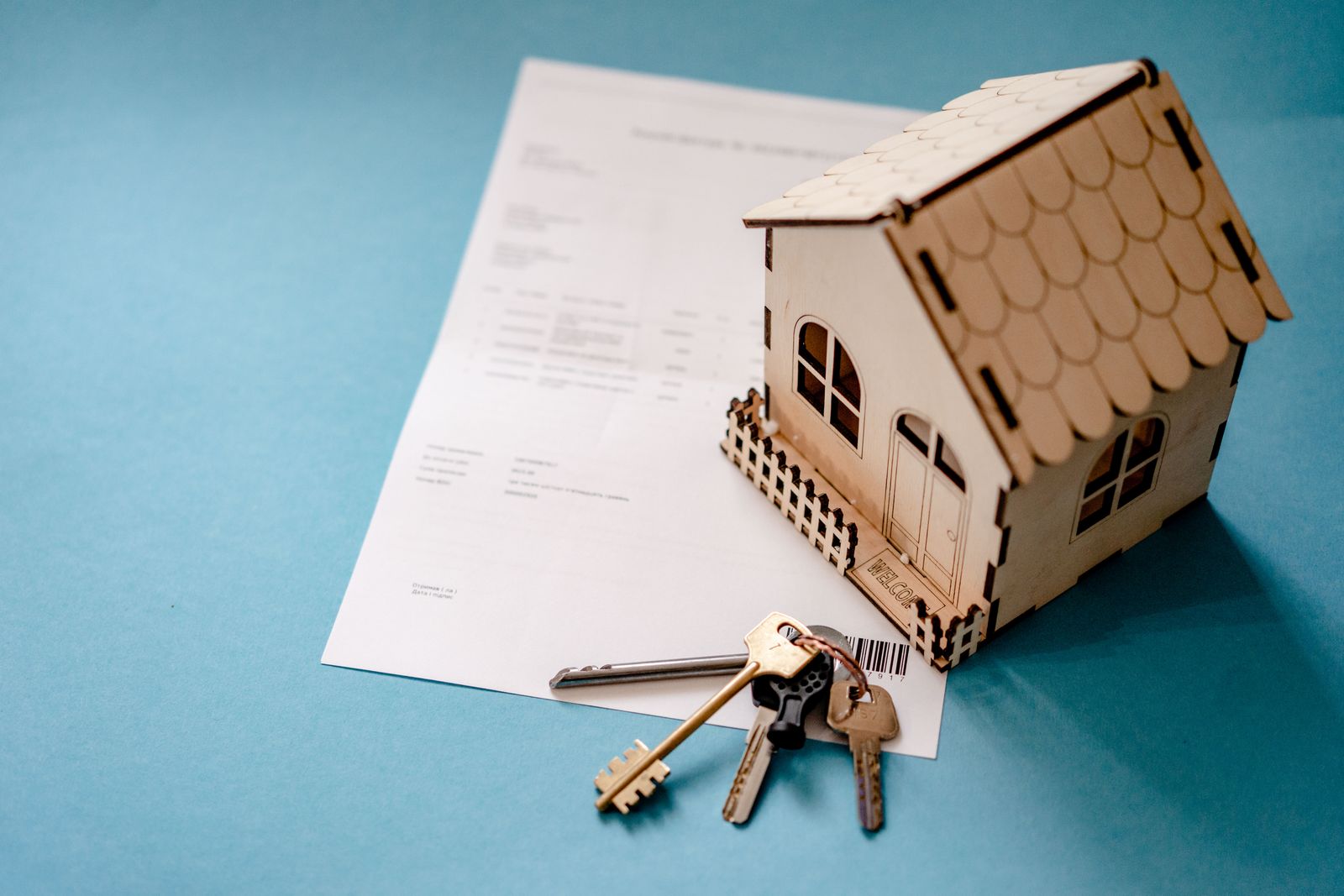
If you've bought or sold a home in BC, you've probably come across a form called the Property Disclosure Statement, often shortened to PDS. As South Surrey and White Rock realtors, we work with this document on nearly every transaction, so here's what it actually is, and just as importantly, what it isn't.
What the PDS Actually Is
The Property Disclosure Statement is a standardized form published by the BC Real Estate Association, where a seller answers a series of questions about their property's history and condition, covering areas like the land, services, the building itself, general information, and known latent defects. There are separate versions for residential, strata, and rural properties. The seller answers each question as "yes," "no," or "do not know," based on their own current, actual knowledge.
Here's the Part That Surprises People
Despite how common it's become, completing a PDS is not required by law in BC. There's no provincial statute that forces a seller to fill one out. It's become standard practice on most MLS listings because buyers expect it, and a seller who declines to provide one often raises questions about what they might be avoiding, but it remains voluntary.
It's Not a Warranty
The PDS is a representation of what the seller is actually aware of, not a guarantee of the property's condition. Courts have been clear that a seller only needs to disclose current, actual knowledge, they aren't required to investigate further or warrant that undisclosed issues don't exist. If a seller genuinely didn't know about a problem, the PDS answer of "no" or "do not know" can be accurate even if an issue is later discovered.
Does It Automatically Protect You as a Buyer?
Not automatically. For the PDS to carry real legal weight in a dispute, it generally needs to be formally incorporated into the Contract of Purchase and Sale, typically through a specific clause your realtor includes. If it isn't incorporated, relying on it later can be more complicated. This is exactly the kind of detail we make sure is handled properly on every transaction, not left as an afterthought.
What About Things the Seller Doesn't Disclose?
Separately from the PDS, licensed real estate professionals have their own regulatory duty. Under BC's Real Estate Services Rules, a licensee who knows about a material latent defect, a serious issue not readily visible on a reasonable inspection, must disclose it in writing to all parties before an agreement is signed. This obligation exists regardless of whether the seller completed a PDS, submitted a no-disclosure form, or declined to engage with the process at all.
What If There's No PDS at All?
Some transactions, particularly estate sales, foreclosures, or court-ordered sales, may not include a PDS at all, and that can be entirely legitimate rather than a red flag on its own. In these situations, doing thorough independent due diligence, including a proper home inspection, becomes even more important.
Our Advice to Buyers
Read the PDS carefully, but don't treat it as a substitute for your own due diligence. A home inspection, a review of permit history with the municipality, and a conversation with your realtor about anything that seems unclear or incomplete all matter, regardless of what the PDS says or doesn't say.
Our Advice to Sellers
Answer every question honestly and to the best of your actual knowledge. Being vague or evasive doesn't protect you, and it can actually create more legal exposure than a clear, honest disclosure would. If you're genuinely unsure about something, "do not know" is a legitimate and often appropriate answer.
This post is intended as general information about how the Property Disclosure Statement works in BC and is not legal advice. Disclosure obligations can be fact-specific and case law continues to develop in this area, so we recommend speaking with a real estate lawyer about your specific situation.

 The data relating to real estate on this website comes in part from the MLS® Reciprocity program of either the Greater Vancouver REALTORS® (GVR), the Fraser Valley Real Estate Board (FVREB) or the Chilliwack and District Real Estate Board (CADREB). Real estate listings held by participating real estate firms are marked with the MLS® logo and detailed information about the listing includes the name of the listing agent. This representation is based in whole or part on data generated by either the GVR, the FVREB or the CADREB which assumes no responsibility for its accuracy. The materials contained on this page may not be reproduced without the express written consent of either the GVR, the FVREB or the CADREB.